Source cosmetics cup filling machine for drinks dairy and cosmetics
Find 30 verified cosmetics cup filling machine listings with capacities up to 4000 bottles per hour. Buyers can compare specifications, prices, and supplier details for liquid filling and sealing applications in the beverage and cosmetic industries.
Key considerations
Products List
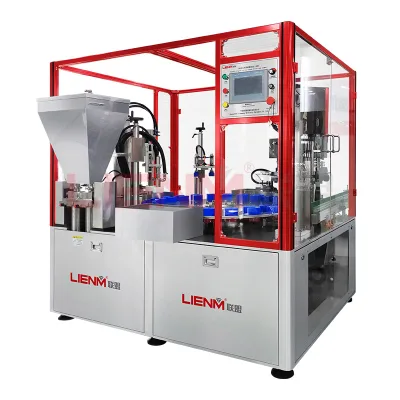


Comprehensive Sourcing Guide
Strategic Sourcing Guide for Cosmetics Cup Filling Machines
Selecting the right automated filling equipment is a critical decision for any cosmetics manufacturer aiming to scale production while maintaining strict quality standards. The market for cup filling and sealing machines is diverse, with offerings ranging from semi-automatic units to fully integrated lines capable of high-speed output. For procurement professionals, the primary challenge lies in distinguishing between generic machinery descriptions and equipment that specifically meets the viscosity, sterility, and speed requirements of the cosmetics industry. This guide provides a structured approach to evaluating potential suppliers and machines, grounded in verified technical attributes and industry best practices.
Technical Specifications and Operational Capabilities
When evaluating a cosmetics cup filling machine, the first step is to analyze the core technical specifications against your production volume and product characteristics. The machine must be capable of handling the specific viscosity of your cosmetic formulations, which can range from thin lotions to thick creams. Based on available market data, modern units often feature a filling accuracy of 0.5g, a critical metric for maintaining product consistency and minimizing waste. The filling content capacity typically spans a broad range, such as 0-500ml, allowing for flexibility across different product SKUs.
The automation level is another decisive factor. High-end models are classified as fully automatic, utilizing advanced control systems to manage the entire process from bottle or cup feeding to capping and sealing. These systems frequently employ a touch screen interface for operation, which simplifies the user experience and allows for rapid parameter adjustments. The control architecture often relies on a combination of core components, including motors, pumps, and Programmable Logic Controllers (PLC), ensuring precise coordination of mechanical actions.
Capacity is a major driver of selection. Production lines vary significantly, with some units designed for 500 bottles per hour (BPH) and others capable of reaching 4000 BPH. For cup-specific applications, capacities may be rated in cups per hour, such as 1800 cups/hour. It is essential to verify the specific capacity rating for the model you are considering, as manufacturers often list multiple configurations (e.g., 100, 500, 1000, or 4000 BPH) depending on the nozzle count and machine speed settings. The number of filling nozzles, often available in configurations of 2, 4, or 6 pieces, directly influences the throughput and should be customized to match your target output.
Material Compliance and Construction Standards
The construction material of the filling machine is paramount for the cosmetics industry, where product purity and hygiene are non-negotiable. The standard material for food and cosmetic contact parts is Stainless Steel, specifically grades SUS304 or SUS316L. SUS316L offers superior corrosion resistance, making it ideal for formulations containing salts or aggressive chemicals, while SUS304 is generally sufficient for standard cosmetic applications. Buyers must verify that the product contact surfaces are indeed made from these materials, as the machine's longevity and compliance with hygiene standards depend on this choice.
The structural integrity of the machine also relies on the frame and non-contact components. While the primary contact parts are stainless steel, the external housing and packaging materials often utilize wood for export protection. The machine's physical dimensions are another consideration for factory floor planning. A typical footprint for a robust filling unit might measure approximately 1.84 meters in length, 1.66 meters in width, and 1.91 meters in height, though these figures vary by model. Weight is also a factor for installation and maintenance; units can weigh between 400kg and 450kg, requiring appropriate floor support and handling equipment.
Power Requirements and Electrical Systems
Understanding the electrical requirements is essential for integrating the machine into your existing facility. Most industrial filling machines operate on standard industrial voltages, commonly 220V or 380V, depending on the region and the specific power configuration of the machine. The power consumption is a key operational cost driver. Typical models in this category consume between 2.2 kW and 2.5 kW of electric power. This range indicates that the machine is designed for continuous operation without placing an excessive load on the facility's power grid, provided the electrical infrastructure is properly rated.
The driven type for these machines is almost exclusively electric, utilizing motors to power the filling valves, conveyor belts, and sealing mechanisms. The control system, often a touch screen, interfaces with these electric components to regulate speed and accuracy. When evaluating a supplier, confirm that the electrical components meet the voltage requirements of your location and that the machine includes necessary safety features to prevent electrical hazards during operation.
Application Versatility and Product Compatibility
While the core keyword focuses on cosmetics, the versatility of these machines often extends to other industries. The same equipment can frequently be adapted for filling beverages, dairy products, and various chemical liquids. This cross-industry applicability is due to the modular nature of the filling valves and the adjustability of the filling volume. The machine is designed to handle liquid materials, with a filling range that can accommodate packaging types such as bottles, cans, and barrels, though the specific application for cosmetics often centers on cups and bottles.
The forming function of the machine typically includes filling and sealing, ensuring that the product is hermetically closed to prevent contamination. Some advanced models may also include a bottle forming function, though this is less common for cup filling. The ability to customize the machine for specific packaging materials, such as film or standard bottles, adds to its value. Buyers should verify that the machine can handle the specific packaging material of their product, whether it is a rigid cup, a flexible pouch, or a standard cosmetic bottle.
Supplier Evaluation and After-Sales Support
Selecting a supplier involves more than just comparing price tags; it requires a thorough assessment of their service capabilities and reputation. A critical factor is the after-sales service provided. Reputable suppliers offer service machinery overseas, which is essential for international buyers who may face language barriers or logistical challenges in troubleshooting. The warranty period is another standard metric, with many suppliers offering a 1-year warranty on their equipment. This warranty should cover core components like the motor, pump, and PLC, ensuring that the buyer is protected against manufacturing defects.
The place of origin is also a relevant consideration for logistics and supply chain stability. Many high-volume manufacturers are located in industrial hubs such as Guangdong or Wenzhou in China. While the location itself does not guarantee quality, it often indicates access to a robust supply chain and a concentration of specialized engineering talent. Buyers should verify the specific origin of the machine to understand the logistics involved in shipping and installation.
Quality Control and Verification Protocols
Quality control is a shared responsibility between the manufacturer and the buyer. To ensure the machine meets your standards, you should request a machinery test report before finalizing the purchase. This report provides objective data on the machine's performance, including filling accuracy and speed tests. The presence of a provided test report is a strong indicator of a manufacturer's confidence in their product. Additionally, buyers should look for evidence of the machine's ability to handle the specific filling accuracy required, such as the 0.5g tolerance observed in high-performance units.
The packaging of the machine for export is also a quality indicator. Standard export packaging typically involves a wooden box, which protects the equipment during transit. However, the internal packaging materials, such as film, should also be considered to ensure the machine remains clean and undamaged. When evaluating a supplier, ask for detailed photos or videos of the test process and the final packaging to verify that the machine is prepared for safe international shipping.
Cost Drivers and Long-Term Procurement Considerations
The cost of a cosmetics cup filling machine is influenced by several factors, including the level of automation, the number of nozzles, and the material grade. The observed price range in the market can be substantial, spanning from approximately $2,027 to $82,300, reflecting the vast difference between entry-level and high-end industrial units. The minimum order quantity (MOQ) is typically low, often allowing for single-item purchases, which provides flexibility for small to medium-sized enterprises.
Key selling points that drive value include high productivity, ease of operation, and a high safety level. While competitive price is a factor, it should not be the sole determinant. Long-term procurement considerations should focus on the machine's reliability, the availability of spare parts, and the supplier's commitment to ongoing support. The ability to customize the machine, such as adjusting the filling volume or nozzle count, adds significant value by allowing the equipment to adapt to future product changes.
| Feature Category | Standard Specification | High-Performance Option | Verification Requirement |
|---|---|---|---|
| Filling Accuracy | 0.5g | Customized Tolerance | Request Test Report |
| Material Grade | SUS304 | SUS316L | Verify Contact Surfaces |
| Capacity | 500-1000 BPH | 4000 BPH | Confirm Nozzle Count |
| Control System | Touch Screen | PLC Integrated | Check Software Version |
| Warranty | 1 Year | Extended Options | Review Contract Terms |
| Power Consumption | 2.2 kW | 2.5 kW | Verify Voltage Compatibility |
In conclusion, sourcing a cosmetics cup filling machine requires a balanced approach that weighs technical specifications, material quality, and supplier reliability. By focusing on verified attributes such as filling accuracy, material grade, and after-sales support, buyers can make informed decisions that align with their production goals. The market offers a wide range of options, from basic models to highly customized solutions, but the key to success lies in rigorous due diligence and a clear understanding of your specific operational needs.
FAQs
What is the filling accuracy of this machine?
The machine achieves a filling accuracy of 0.5g to ensure product consistency. This precision helps minimize waste and maintains strict quality standards for cosmetic formulations.
Can the machine handle different packaging types?
Yes, it supports packaging types including cans, bottles, and barrels. The system is also capable of handling cups with a filling range of 0 to 500ml.
What is the production capacity of the unit?
Production capacity varies by configuration, ranging from 500 to 4000 bottles per hour. Specific models can also reach 1800 cups per hour depending on the nozzle setup.
Which materials are used for construction?
Contact parts are constructed from SUS304 or SUS316L stainless steel for hygiene. The external packaging utilizes wood for export protection during shipping.
How is the machine controlled and operated?
Operation is managed via a touch screen interface for ease of use. The system relies on core components like motors, pumps, and PLCs for automated control.
What warranty and after-sales support are provided?
A 1-year warranty covers core components such as the motor and pump. Suppliers also provide overseas service machinery support for international buyers.
Can the machine be customized for specific needs?
Customization is available for volume, nozzle count, and filling accuracy. Buyers can adjust parameters to match their specific production requirements and product types.